



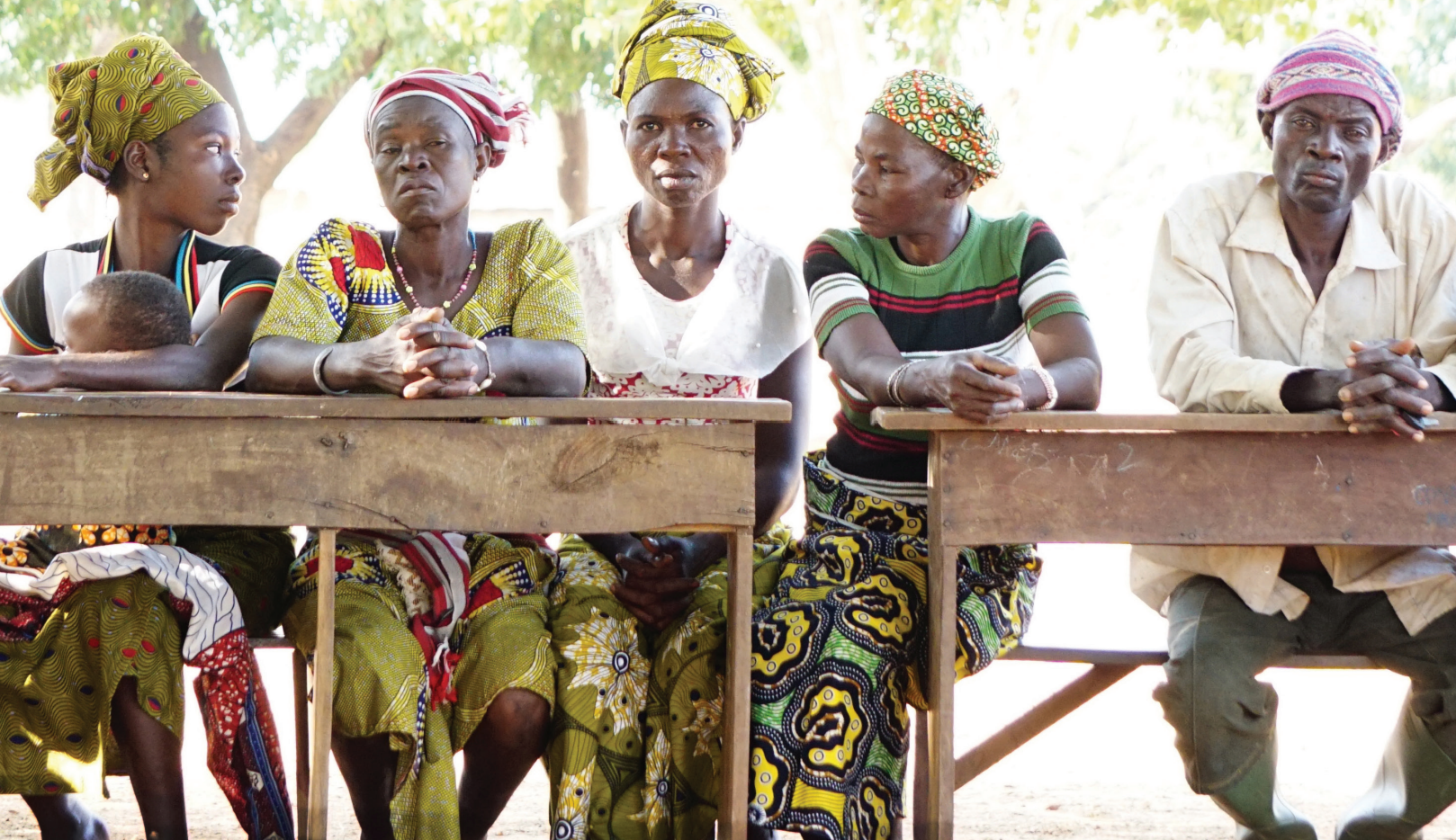
Adaptation Fund’s visit to Volta Basin, Ghana (Photo by Adaptation Fund)
Report highlights country-led approach to climate adaptation and growing impact on national strategies
Washington, D.C., November 13, 2025 – A new study from the Adaptation Fund shows that its portfolio of projects is strongly aligned with countries’ National Adaptation Plans (NAPs) and Nationally Determined Contributions (NDCs), reinforcing the Fund’s country-driven approach to climate action. The analysis found that most projects reflect national adaptation priorities and, in many cases, have helped shape future planning.
The study reviewed 150 projects approved between 2010 and April 2025 and found that 85% of those approved after countries submitted their NDCs were either closely aligned with specific adaptation targets or broad sectoral priorities. Alignment has strengthened over time as NDCs and NAPs have become more detailed and countries have invested more in their preparation.
The Fund has pioneered Direct Access since 2010, which empowers country ownership in adaptation through accredited national implementing entities based in countries themselves to directly develop and implement adaptation projects on the ground.
“This study reaffirms our long-standing commitment to country ownership at the heart of effective climate adaptation,” said Mikko Ollikainen, Head of the Adaptation Fund. “When applying for Adaptation Fund funding, countries lead the design and implementation of projects that best reflect their needs and priorities. The strong alignment with national climate plans validates this approach and shows how the Adaptation Fund is helping countries advance their voluntary Paris Agreement commitments.”
Since 2019, the Adaptation Fund has formally served the Paris Agreement, directly supporting the implementation of NDCs and NAPs. Strengthening this alignment is a key goal under the Fund’s Medium-Term Strategy 2023–2027.
The study identified several factors contributing to this strong alignment. Approximately 80 percent of Adaptation Fund Designated Authorities, who are government representatives responsible for endorsing projects, also serve as the agencies that develop NDCs and NAPs. In addition, 41 percent of National Implementing Entities (NIEs) are institutions that oversee national climate planning, helping to ensure coherence between projects and national priorities.
Cristina Dengel, Knowledge Management Officer at the Adaptation Fund, emphasized the study’s value for the broader adaptation community: “This research provides valuable insights not only for the Adaptation Fund but also for all climate finance institutions working to strengthen country ownership. We have learned that effective alignment goes beyond matching projects to written priorities. It requires engaging the right stakeholders, building capacity, and creating feedback loops that ensure project experiences inform future national planning.”
The study also underscores the importance of innovation in adaptation. Around 10% of projects that are not closely aligned with existing national priorities represent country-driven innovation spaces. These initiatives raise ambition, explore new technologies, and address underserved regions or communities. They often serve as pilot projects that generate lessons to guide future national strategies.
Key Findings include:
- 55% of projects were closely aligned with specific NDC targets or activities.
- 81% of agriculture and food security projects aligned with NDC priorities.
- Alignment has improved over time as NDCs became more detailed and central to national policy.
- 19 of 23 projects approved after NAP submission aligned with specific NAP goals.
- 18 projects helped inform updated NDCs, demonstrating policy feedback from implementation.
The study recommends that adaptation funders encourage projects to explicitly identify pathways for informing future NDCs and NAPs, facilitate peer-to-peer learning among implementing entities, and support the development of internationally agreed adaptation indicators and monitoring strategies.
The full study, Alignment of Adaptation Fund Portfolio with National Adaptation Plans and Nationally Determined Contributions, is available here.
A separate guidance on NDCs that was recently released to help countries mobilize finance for adaptation is also available here.
_______________________________
About the Adaptation Fund
Since 2010, the Adaptation Fund has committed over US$ 1.5 billion for climate change adaptation and resilience projects and programmes, including 217 tangible, localized projects on the ground in the most vulnerable communities of developing countries around the world supporting over 65 million total beneficiaries. It also pioneered Direct Access empowering country ownership in adaptation, and operationalized other novel programmes such as Locally Led Adaptation and the Fund’s Innovation Facility.
AF Media Contact: Matthew Pueschel, mpueschel@adaptation-fund.org
Attachments
| Attachment | Type | Size |
|---|---|---|
| Press Release, Nov. 13, 2025 | 220 KB |