



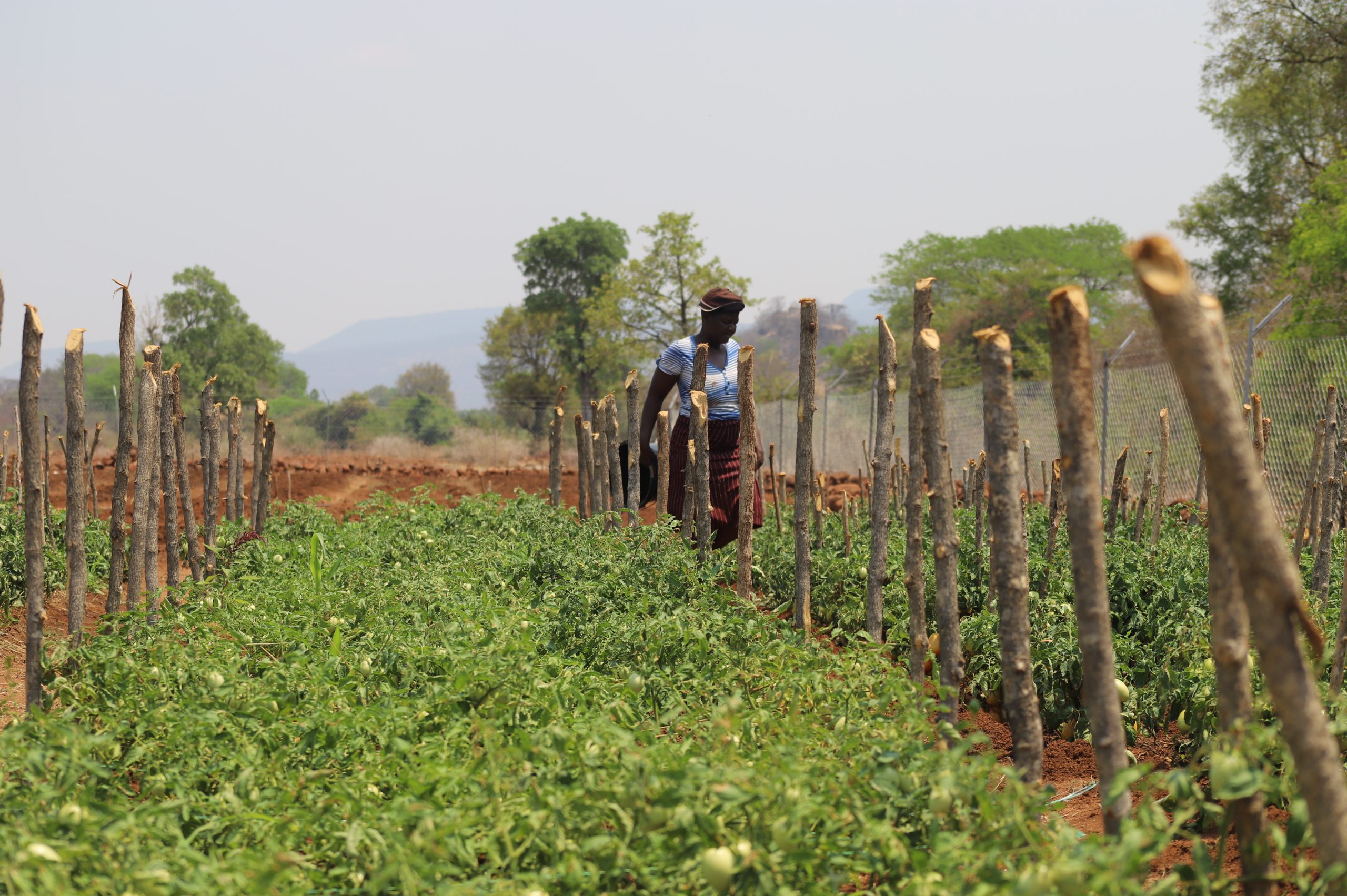
Strengthening climate resilience through sustainable groundwater management in Zimbabwe. (Photo by UNESCO)
Washington, DC, July 21, 2026 — The Adaptation Fund (AF) has accredited two new National Implementing Entities (NIEs)—the Fondo Mexicano para la Conservación de la Naturaleza (FMCN) in Mexico and Local Initiatives for Biodiversity, Research and Development (LI-BIRD) in Nepal, further expanding its network of partners delivering adaptation finance around the world. The Fund has also re-accredited the United Nations Educational, Scientific and Cultural Organization (UNESCO) as a Multilateral Implementing Entity (MIE).
The accreditations of FMCN and LI-BIRD mark an important milestone, as both organizations become the second NIEs accredited in their respective countries. This expands Mexico’s and Nepal’s abilities to directly access climate finance while advancing locally led adaptation efforts and strengthening national capacities to respond to climate change.
A 2021 decision by the AF Board allows countries to accredit up to two NIEs under the Fund’s Direct Access modality to strengthen national adaptation capacity and expertise. With the accreditation of FMCN and LI-BIRD, Mexico and Nepal join Kenya, Senegal, and Bhutan as countries with two accredited NIEs.
At the core of these developments is the AF’s pioneering Direct Access modality, which enables national institutions to design, implement, and oversee adaptation projects that respond to local needs and priorities while empowering country ownership in adaptation.
The Fund has now accredited 41 NIEs around the world, with half located in Least Developed Countries or Small Island Developing States. In addition, it has accredited 9 Regional Implementing Entities (RIEs) and 14 MIEs, creating a diverse network of partners that helps countries access and deploy adaptation finance.
By working through national institutions, the Fund supports countries in building local expertise, strengthening adaptation delivery capacity, and advancing climate priorities identified by vulnerable communities themselves.
Each newly accredited entity brings distinct strengths, experience, and perspectives towards advancing climate adaptation.
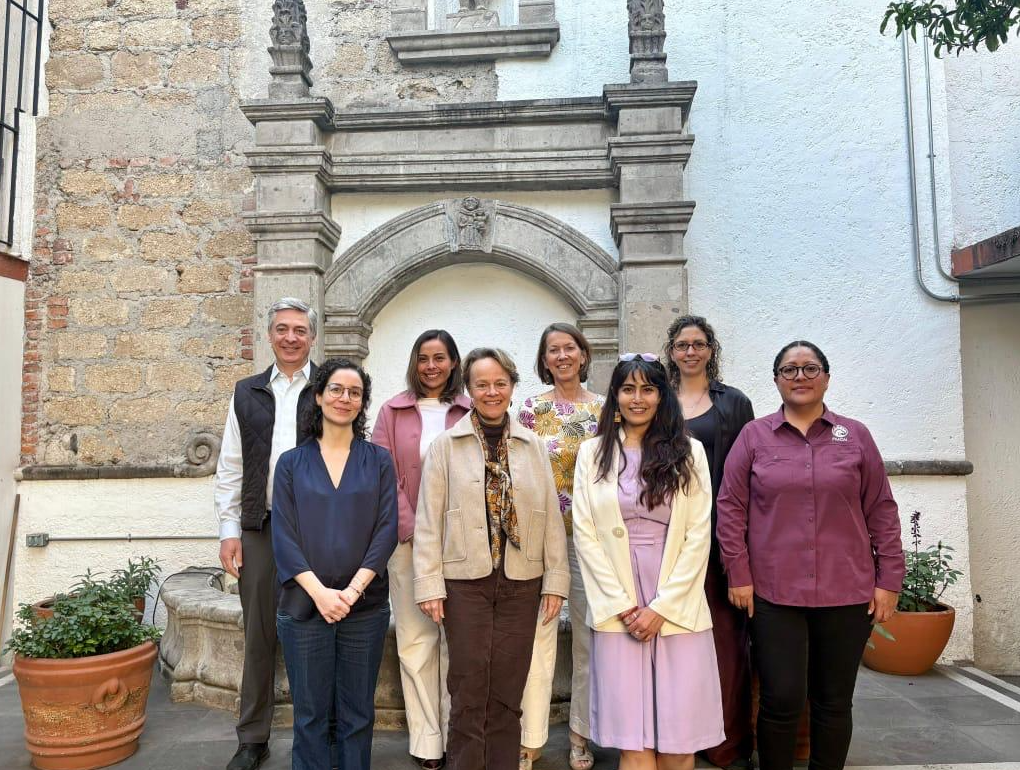
In Mexico, FMCN brings decades of expertise in biodiversity conservation, ecosystem restoration, and sustainable natural resource management.
“The accreditation process of the Adaptation Fund strengthened FMCN to provide nature-based solutions for adaptation to climate change,” said Renée González, Executive Director of FMCN.
Mexico’s Designated Authority also welcomed the accreditation.
“The Adaptation Fund is a great opportunity for Mexico to access climate finance and turn innovation into solutions for climate resilience. We welcome the accreditation of FMCN to advance Mexico’s climate goals,” said Regina Rosales Talamás, Mexico’s Designated Authority for the Adaptation Fund at the Secretaría de Hacienda y Crédito Público.
In Nepal, LI-BIRD contributes decades of experience in community-based adaptation, climate-resilient agriculture, and support for vulnerable rural communities.

“Accreditation as a National Implementing Entity marks a significant milestone for LI-BIRD and an important step in strengthening Nepal’s capacity to directly access and mobilize international climate finance,” said Bharat Bhandari, Executive Director of LI-BIRD.
He added: “LI-BIRD remains committed to delivering inclusive, community-driven adaptation solutions for a more climate-resilient and sustainable Nepal.”
The AF Board approved the accreditations of FMCN and LI-BIRD following rigorous reviews of their fiduciary standards, environmental and social safeguards, and institutional governance systems.
The Board also approved the re-accreditation of UNESCO, reaffirming the value of the Fund’s accreditation model, which enables national, regional, and multilateral organizations to support countries in accessing and delivering adaptation finance. The different types of implementing entities play complementary roles in expanding climate action, strengthening implementation capacity, and supporting vulnerable communities where adaptation finance is needed most.
“With adaptation needs growing more urgent across the globe, strengthening countries’ ability to access and deploy adaptation finance is more important than ever,” said Mikko Ollikainen, Head of the Adaptation Fund. “The accreditation of FMCN and LI-BIRD expands the Adaptation Fund’s Direct Access network, helping countries lead adaptation efforts through their own institutions. UNESCO’s re-accreditation underscores the continued interest in the Fund as a source of finance for delivering impact at scale, supporting innovation and advancing adaptation knowledge.”
________________________________________________
ABOUT THE ADAPTATION FUND
Since 2010, the Adaptation Fund has committed over US$ 1.6 billion for climate change adaptation and resilience projects and programmes, including 226 tangible, localized projects on the ground in the most vulnerable communities of developing countries around the world supporting over 90 million total beneficiaries. It also pioneered Direct Access empowering country ownership in adaptation, and operationalized other novel programmes such as Locally Led Adaptation and the Fund’s Innovation Facility.
Media Contact: Matt Pueschel, Communications Officer mpueschel@adaptation-fund.org