



How an island city is using nature-based solutions to combat urban heat and flooding while creating economic opportunities and stronger communities
The Challenge
As climate change intensifies, cities across Southeast Asia are facing growing threats from extreme weather events. In Penang, Malaysia’s vibrant island city, these challenges are becoming harder to ignore. With more than 50% of its surface covered by impervious materials and an aging drainage system strained by rapid urbanization, Penang is increasingly vulnerable to flash floods during heavy monsoon rains.
At the same time, the lack of green spaces has amplified the urban heat island effect, making everyday life hotter and more uncomfortable for residents.
Nature as Infrastructure
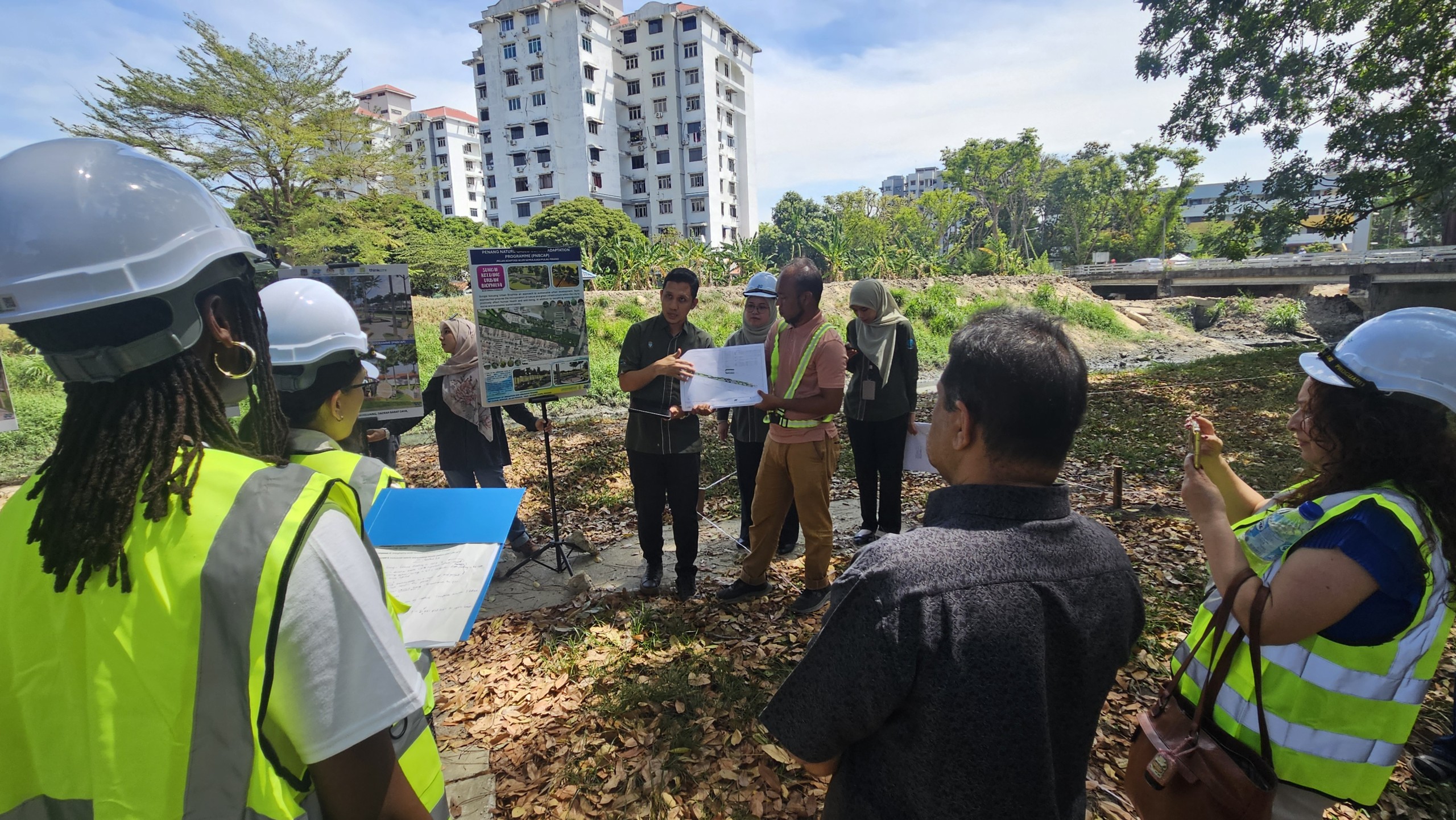
In response, Malaysia has launched an ambitious Nature-Based Climate Adaptation Programme funded by the Adaptation Fund and implemented by UN Habitat. With US$ 10 million in support, the project is transforming parts of George Town and Bayan Lepas through innovative nature-based solutions (NBS).
Instead of relying solely on traditional grey infrastructure like concrete drains, the project harnesses natural systems to tackle urban problems. A key feature is the pocket park initiative, which revitalizes vacant spaces into small green areas that provide recreational space for communities while helping to manage stormwater and mitigate heat. Green facades and rooftops cool buildings and surrounding areas, easing the urban heat island effect. Climate-resilient trees are planted along streets to provide shade and comfort for pedestrians. A blue-green corridor, combining wetlands, rain gardens, and retention ponds, offers an integrated approach to stormwater management.
For residents like Mr. Gan Guang Chi, the difference is already noticeable: “With trees along the streets, it feels cooler and less humid. It’s much more pleasant to walk around,” he said.
Community Guardians of Green Infrastructure
What truly sets this project apart is its community-driven approach, grounded in capacity building. Local residents are not just beneficiaries. They’re becoming stewards and co-creators of a more climate-resilient future.
To support this, Think City, one of the project’s key executing entities, launched the Urban Greening Grants Program, an initiative that puts environmental action directly into the hands of communities. In addition to financial assistance, the program equips residents, businesses, and grassroots groups with the knowledge, tools, and mentorship needed to implement and sustain green infrastructure projects.
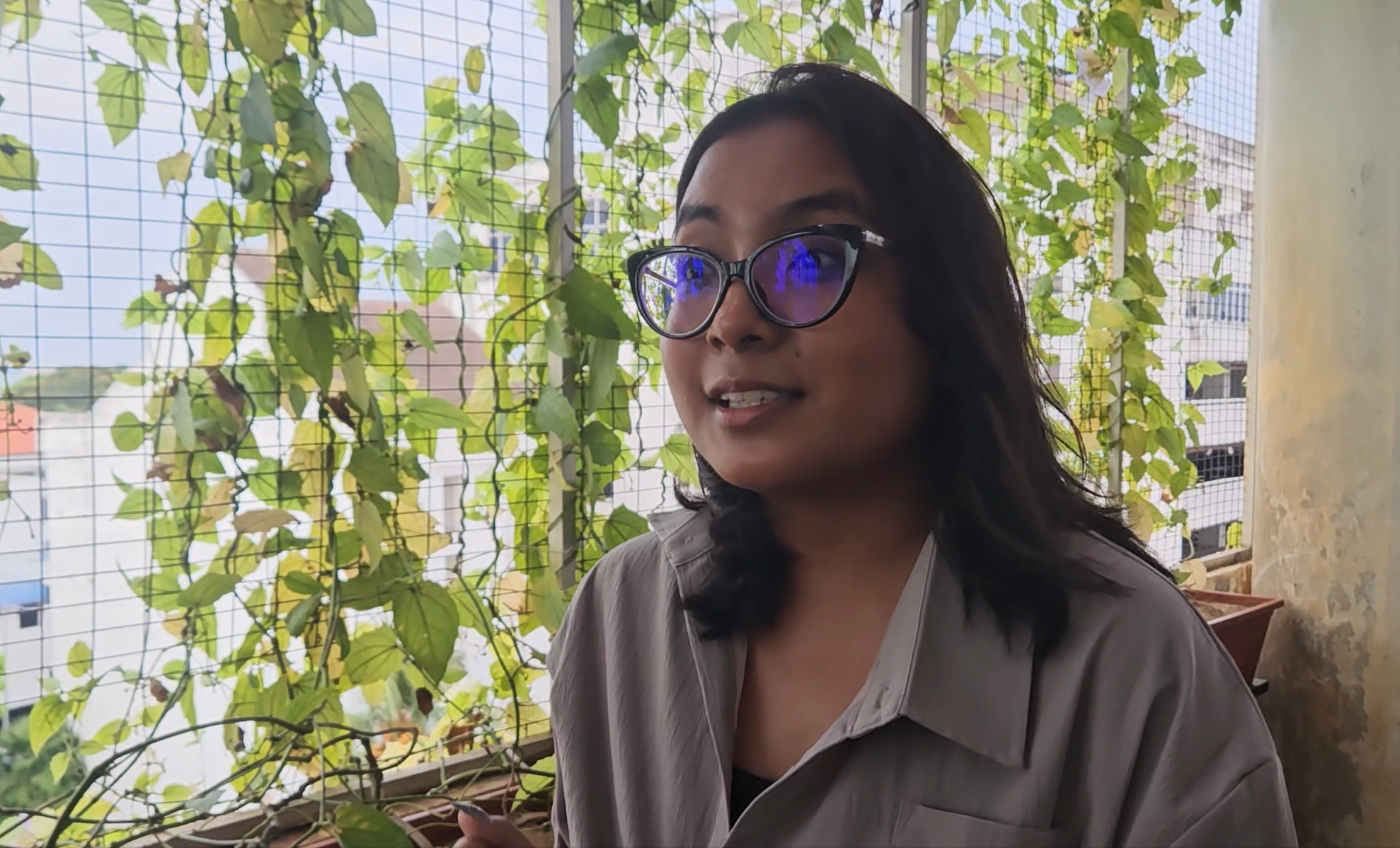
One such local champion is Mr. Zulfiqar Abdul Aziz, a retired engineer and lifelong resident of George Town. Through the program, he transformed his rooftop into a green facade using butterfly pea plants. His initiative not only cools his home and beautifies the area, but it also grows plants with commercial and nutritional value.
“We are the guardians of our cities. If everyone does something small, the impact will be big,” he says.
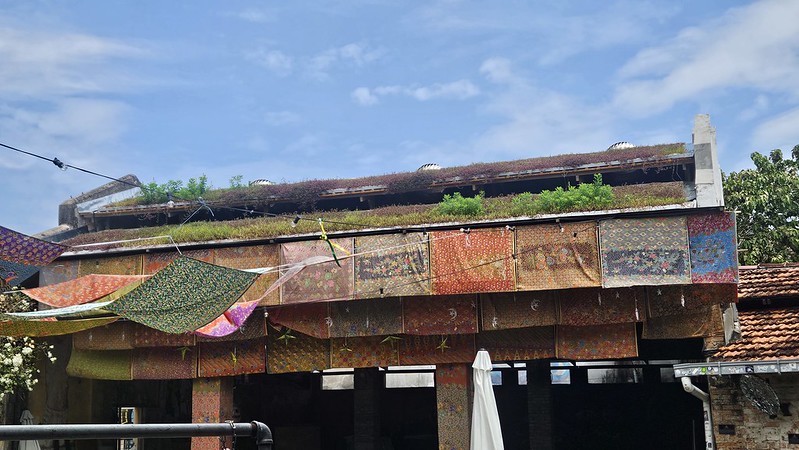
Similarly, Mr. Tan Shih Thoe has installed a lightweight, modular green roof system at Hin Bus Depot, a once-abandoned space now revitalized as a cultural and creative hub. “The green roof helps us cut heat, add beauty, and educate the public,” Tan explains.
Economic Opportunities Bloom
Beyond its environmental impact, the project is also creating new income-generating opportunities for local communities. A standout example is an urban sea grape farming initiative led by marine biologist Prof. Dato’ Dr. Aileen Tan.
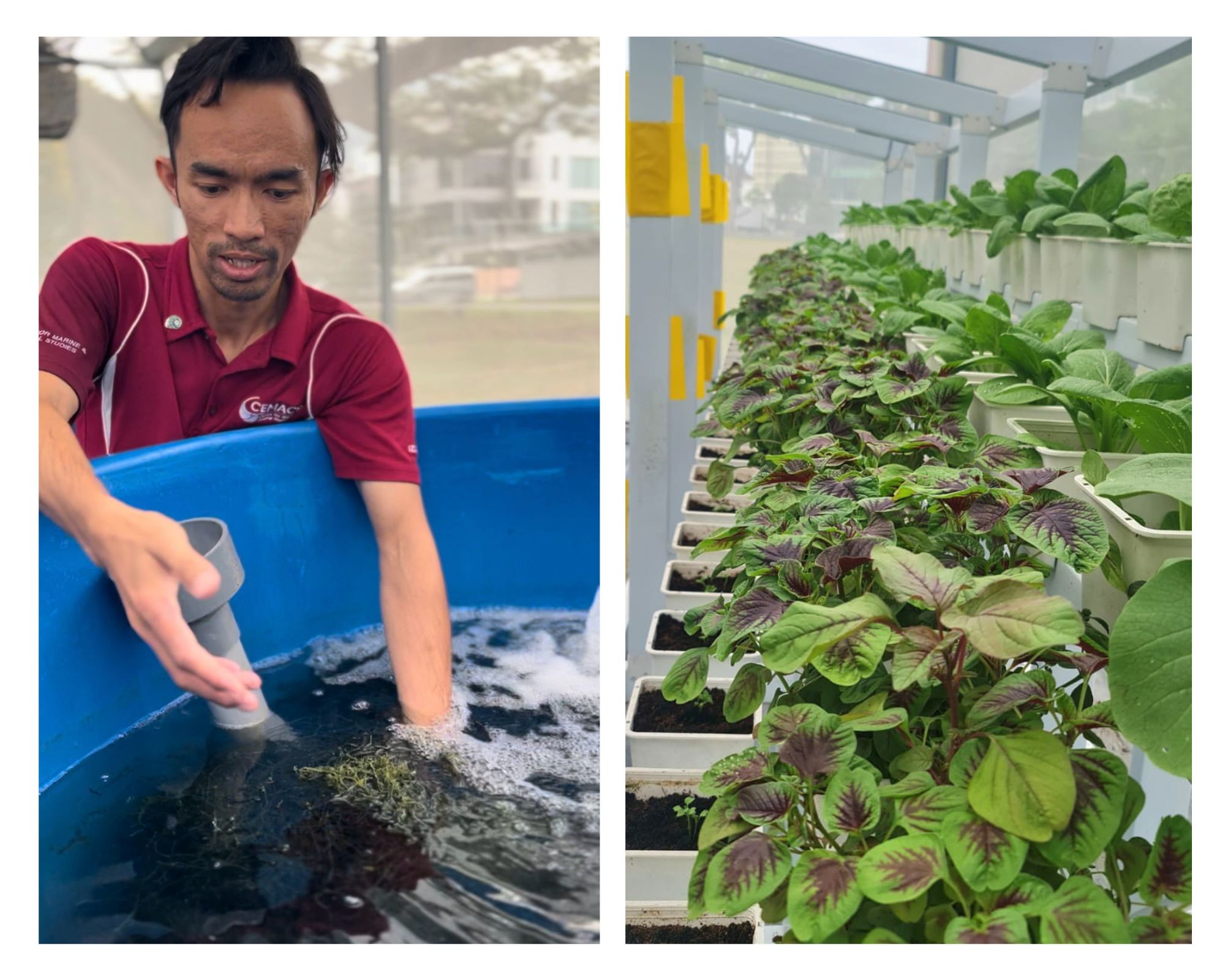
With support from the Adaptation Fund, her team at the Centre for Marine and Coastal Studies (CEMACS) is transforming underused urban spaces into mini seaweed farms. They grow Caulerpa lentillifera (a nutrient-rich sea grape) using only artificial seawater, sunlight, and no chemicals. This seaweed can fetch up to 25 ringgit (about 5.30 USD) per gram.
Early results are encouraging: community-run tanks are thriving, and the benefits go well beyond income. The initiative also promotes active aging, education, and social connection. “We’re cultivating knowledge and resilience, not just a harvest,” says Aileen.
Hands-on training is offered to youth, retirees, and gig workers to help them build practical skills and confidence while contributing to food security, economic inclusion, and climate resilience.
Youth Leading the Way
Recognizing that today’s youth will face tomorrow’s climate challenges, the project is actively empowering young people to be part of the solution.
Programs like the Youth Climate Summit 2024, which brought together students from 38 schools across Penang, encourage engagement and leadership. Many students are also getting directly involved in greening projects funded by the initiative.
Reflecting on her work in the Green Façade project at SENTRAL College, student Khor Yoong En said, “Through this project, I’ve realized there are so many ways we can make a difference. If we act now and take preventive steps, we can avoid the worst outcomes of climate disasters.”
Collaboration: The Foundation of Success
Penang’s adaptation program is built on strong collaboration among government agencies, community groups, and international partners for long-term success.
“For the sustainability of this project, it’s vital to have local government engaged from the start,” says Ms. Odicea Angelo Barrios, Human Settlements Officer at UN-Habitat’s Regional Office for Asia and the Pacific.
“But equally important is the sense of ownership fostered throughout the project. When local stakeholders are involved from the beginning, they’re more likely to carry the work forward.”
The initiative brings together Malaysia’s Department of Irrigation and Drainage, the Penang Island City Council, Think City, and UN-Habitat.
Mr. Dato’ Hamdan Abdul Majeed, Managing Director of Think City, emphasizes this collective commitment: “We’ve worked hard to stay aligned—not just in vision, but in practice. Coordination ensures that we support one another and build something that lasts.”
Knowledge Transfer and Capacity Building
A cornerstone of the project is building long-term capacity in both institutions and communities. It’s not just about infrastructure; it’s about making sure people have the skills and knowledge to maintain and expand these solutions.
The Malaysia Adaptation Sharing Hub (MASH) plays a key role in this process. One recent MASH workshop brought together 62 participants from local governments, civil society, academia, and policy institutions to share lessons and best practices. This collaborative platform ensures that expertise flows freely across sectors and regions.
“By embedding this work in national priorities and ensuring the voices of women and vulnerable groups are heard, we’re building impact that will last,” says Ms. Kwan Soo Chen, Project Manager at UN-Habitat Malaysia.
Innovation Drives Progress
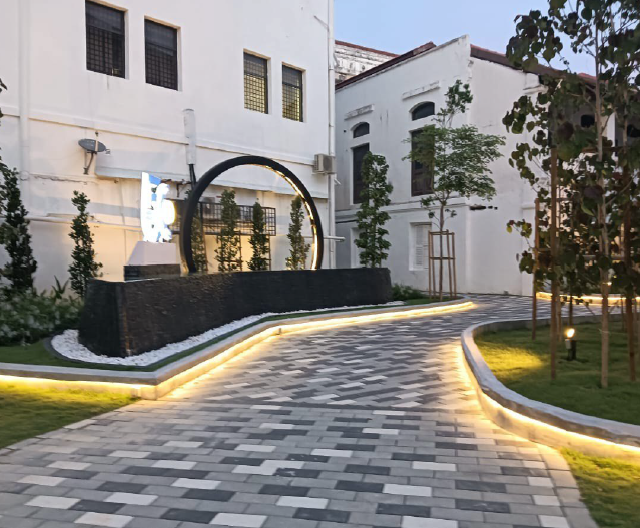
Penang isn’t just reacting to climate change. It’s pioneering smarter, nature-based ways to adapt.
The project has produced Malaysia’s first guide for planting climate-resilient urban trees. It’s also deploying smart sensors to monitor air quality and temperature in real-time, providing valuable feedback on the project’s effectiveness.
Meanwhile, “biophilic design” is helping reintroduce nature into the built environment, making public spaces greener and more livable. Even recreational areas are part of the plan. A football field now doubles as a stormwater retention system, proving that climate resilience can go hand in hand with everyday enjoyment.
“Penang is pioneering a new urban future,” says Ms. Alyssa Gomes, a Climate Change Specialist at the Adaptation Fund. “This project shows how cities can work with nature and with their communities to build a better, more resilient future.”
A Model for Urban Climate Resilience
With nearly 80% of Malaysians living in cities, Penang’s approach offers valuable insights for other urban areas grappling with climate risks.
“What we’re seeing in Penang is just the beginning,” says Mr. Dato’ Ir. Rajendran A/L P. Anthony, Mayor of the Penang Island City Council. “We hope to make this a showcase that can be replicated across Malaysia.”
By combining ecosystem restoration, community education, and technical innovation, Penang is building a climate adaptation model that other cities in Southeast Asia and beyond can follow.
Visit our Flickr album to see more photos showcasing Penang’s urban greening efforts.
For a deeper dive into the progress and impact of these initiatives, read the March 2025 Project Monitoring Mission report.